Cognitive Behavioral Therapy in Scottsdale
Cognitive Behavioral Therapy (CBT)
Cognitive-behavioral therapy (CBT) can help you with a variety of mental health issues.
Contact The Emergence today to learn more.
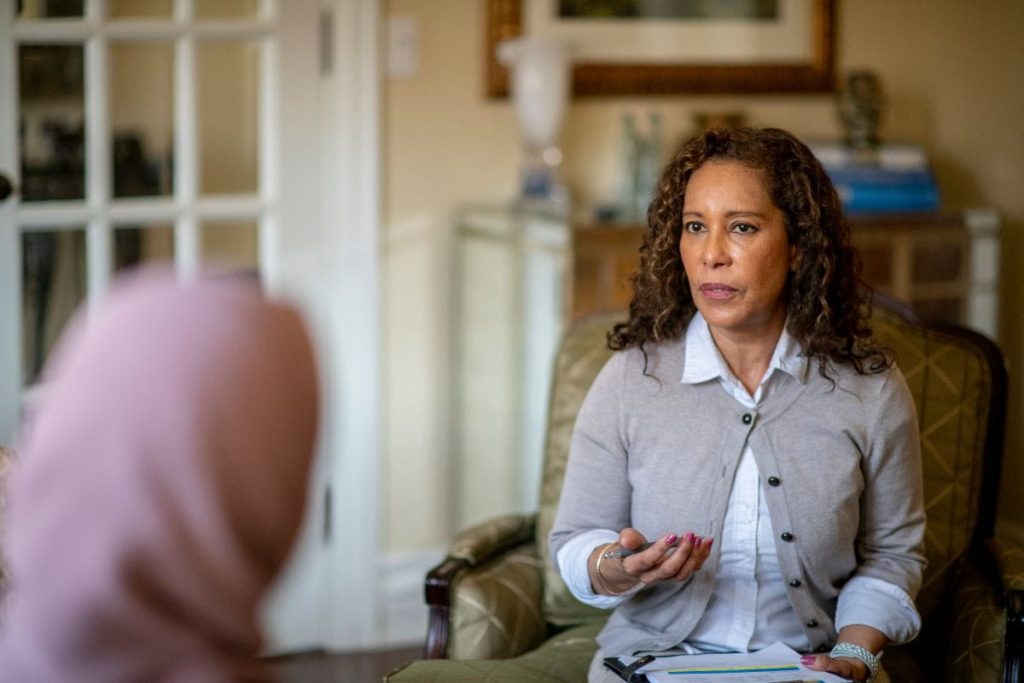
Our cognitive behavioral therapy in Scottsdale provides a practical, structured approach to identifying patterns in thinking, understanding how they shape behavior, and making lasting adjustments. Many people find that simply becoming more aware of these patterns can begin to shift how they respond in everyday situations. CBT is widely recognized as a reliable and effective method for those seeking greater clarity, a steadier sense of balance, and a more intentional way of navigating life’s challenges.
Contact The Emergence today to begin mental health therapy in Scottsdale, AZ.
What is Cognitive Behavioral Therapy (CBT)?
Cognitive behavioral therapy, commonly known as CBT, is a form of psychotherapy that focuses on the relationship between thoughts, emotions, and behaviors. The central idea behind CBT is that unhelpful thinking patterns can contribute to emotional distress and reinforce behaviors that maintain those patterns. By identifying and adjusting these patterns, individuals can improve how they feel and how they respond to situations.
CBT is structured, goal-oriented, and focused on the present. While past experiences may be explored when relevant, the primary emphasis is on understanding current patterns and developing practical strategies for change. This approach helps individuals become more aware of automatic thoughts, challenge distortions, and replace them with more balanced and realistic perspectives. It is widely used in both individual and group therapy settings.
Types of Cognitive Behavioral Therapy
CBT is not a single, uniform method but rather a broad category that includes several specialized approaches. Each variation builds on the core principles of CBT while addressing specific needs or circumstances. These variations allow CBT to be applied across a wide range of mental health concerns while maintaining its core focus on thoughts, emotions, and behaviors. Types of cognitive behavioral therapy include:
- Traditional Cognitive Behavioral Therapy: Focuses on identifying negative thought patterns and replacing them with more accurate and constructive thinking.
- Trauma-Focused CBT: Designed to help individuals process traumatic experiences while developing coping skills and emotional regulation.
- Dialectical Behavior Therapy (DBT): Incorporates CBT principles with additional focus on emotional regulation, distress tolerance, and interpersonal effectiveness.
- Cognitive Processing Therapy (CPT): Often used for trauma, this approach helps individuals challenge and reframe beliefs related to difficult experiences.
- Exposure-Based CBT: Gradually introduces feared situations in a controlled way to reduce avoidance and build tolerance.
How Does CBT Work?
CBT works by helping individuals recognize the patterns that influence how they interpret and respond to situations. Many thoughts occur automatically and may not be fully accurate, yet they can strongly impact emotions and behavior. For example, a person may assume the worst about a situation without realizing that their interpretation is based on habit rather than evidence.
Through CBT, individuals learn to slow down this process and examine their thoughts more closely. This involves identifying cognitive distortions, such as all-or-nothing thinking, overgeneralization, or catastrophizing. Once these patterns are recognized, individuals can begin to question their accuracy and consider alternative perspectives.
Behavioral strategies are also an important part of our cognitive behavioral therapy in Scottsdale. Clients may be encouraged to test new behaviors, gradually face avoided situations, or engage in activities that improve mood and functioning. This combination of cognitive and behavioral work creates a feedback loop where changes in thinking influence behavior, and changes in behavior reinforce new ways of thinking.
Mental Health Programs That Provide CBT in Scottsdale
CBT is most effective when it is integrated into a comprehensive treatment program that provides consistent support and opportunities for application. Furthermore, this modality is adaptable, allowing clinicians to tailor interventions based on each person’s needs and goals. Our cognitive behavioral therapy in Scottsdale is offered across multiple levels of care, which are highlighted below.
Intensive Outpatient Program (IOP)
In our intensive outpatient program (IOP), CBT is incorporated into a flexible schedule that allows clients to attend therapy several days per week while maintaining responsibilities outside of treatment. During this program, CBT is often used to help individuals identify patterns in real time and apply new strategies in their daily lives. This level of care is most ideal for those who need more support than traditional therapy but do not require full-day programming.
Partial Hospitalization Program (PHP)
In our partial hospitalization program (PHP), cognitive behavioral therapy is part of a more immersive treatment experience. Clients attend a combination of group and individual therapies Monday through Friday from 9:00 AM to 3:00 PM. This sets the stage for deeper engagement with therapeutic material and more consistent practice of skills. PHP is often recommended for individuals experiencing more significant symptoms or those who need a higher level of clinical support to stabilize and make progress.
What To Expect During CBT
CBT sessions are both collaborative and structured, with a focus on practical application. Early sessions often involve identifying specific concerns, setting goals, and beginning to recognize patterns in thoughts and behavior. Clients may be asked to track their thoughts, emotions, and reactions to better understand how they are connected.
As treatment progresses, therapists guide clients through exercises that challenge unhelpful thinking patterns and introduce alternative perspectives. This may include reviewing specific situations, examining evidence for and against certain thoughts, and developing more balanced interpretations.
Also, homework is a common component of CBT. This is because it encourages individuals to apply what they learn outside of sessions in their real lives. This might involve practicing new behaviors, completing thought records, or experimenting with different ways of responding to situations. Eventually, these repeated practices help reinforce new patterns and build confidence in managing challenges independently.
How Effective is CBT?
CBT is one of the most extensively researched forms of psychotherapy and has been shown to be effective for a wide range of mental health conditions. This includes anxiety, depression, bipolar disorder, PTSD, and trauma-related distress.
One reason for its effectiveness is its focus on skill-building. Rather than relying solely on insight, CBT provides individuals with tools they can continue to use long after therapy ends. This emphasis on practical application helps support ongoing improvement and resilience.
The History of CBT
Cognitive behavioral therapy has its roots in psychiatrist Aaron T’s work. Beck in the 1960s. Beck initially developed cognitive therapy while studying depression, observing that individuals often experienced automatic negative thoughts that influenced their emotions and behaviors. His work focused on identifying and modifying these thought patterns as a way to improve mental health.
At the same time, behavioral therapy was developing as a separate approach, emphasizing the role of learned behaviors and environmental influences. Over time, these two approaches were integrated. This led to what is now known as cognitive behavioral therapy.
Since its development, CBT has continued to evolve, incorporating new research and adapting to different issues and disorders. Supported by decades of clinical evidence, it remains one of the most widely used and respected forms of psychotherapy to this day.
Why The Emergence?
Choosing a treatment program involves more than selecting a specific therapy. The overall approach, philosophy, and level of care are vital to keep in mind. At The Emergence, CBT is delivered as part of a broader, personalized model that considers each client’s unique needs. This comprehensive approach helps ensure that therapy is not only effective but also adaptable and relevant to each client’s experience.
Some benefits of participating in our treatment programs include:
- Integrated Clinical Approach: CBT is combined with other evidence-based modalities to address multiple aspects of mental health.
- Phase-Oriented Model: Care follows a progression that begins with building regulation and internal resources, moves into trauma processing, and supports reconnection and life engagement over time.
- Trauma-Informed Care: Treatment is guided by an understanding of how past experiences influence current patterns.
- Focus on Skill Development: Clients learn practical tools that can be applied both during and after treatment.
- Joy Tracking Integration: Clients are encouraged to notice and reflect on small, positive experiences to help rebuild their capacity for enjoyment and emotional range.
- Continuum of Care: Multiple program levels allow clients to receive the appropriate intensity of support as they progress.
- Individualized Treatment Planning: Each client’s experience is carefully considered to create a plan that reflects their history, goals, and current challenges.
Find Cognitive Behavioral Therapy in Scottsdale
It’s time to stop struggling and start working toward an overall healthier, more fulfilling way of life. Our cognitive behavioral therapy in Scottsdale incorporates clinically-proven care with specialized attention, helping clients better understand their patterns and develop more positive ways of responding.
Give our compassionate team at The Emergence a call or visit our admissions page to start moving forward with hope and clarity.
Table of Contents
Contact Us
Contact our admissions team today to verify your insurance coverage to start mental health treatment in Scottsdale, Arizona.